Blackout Blinds: A Complete Guide to Better Sleep
Raynesway Blinds · · 2 min read
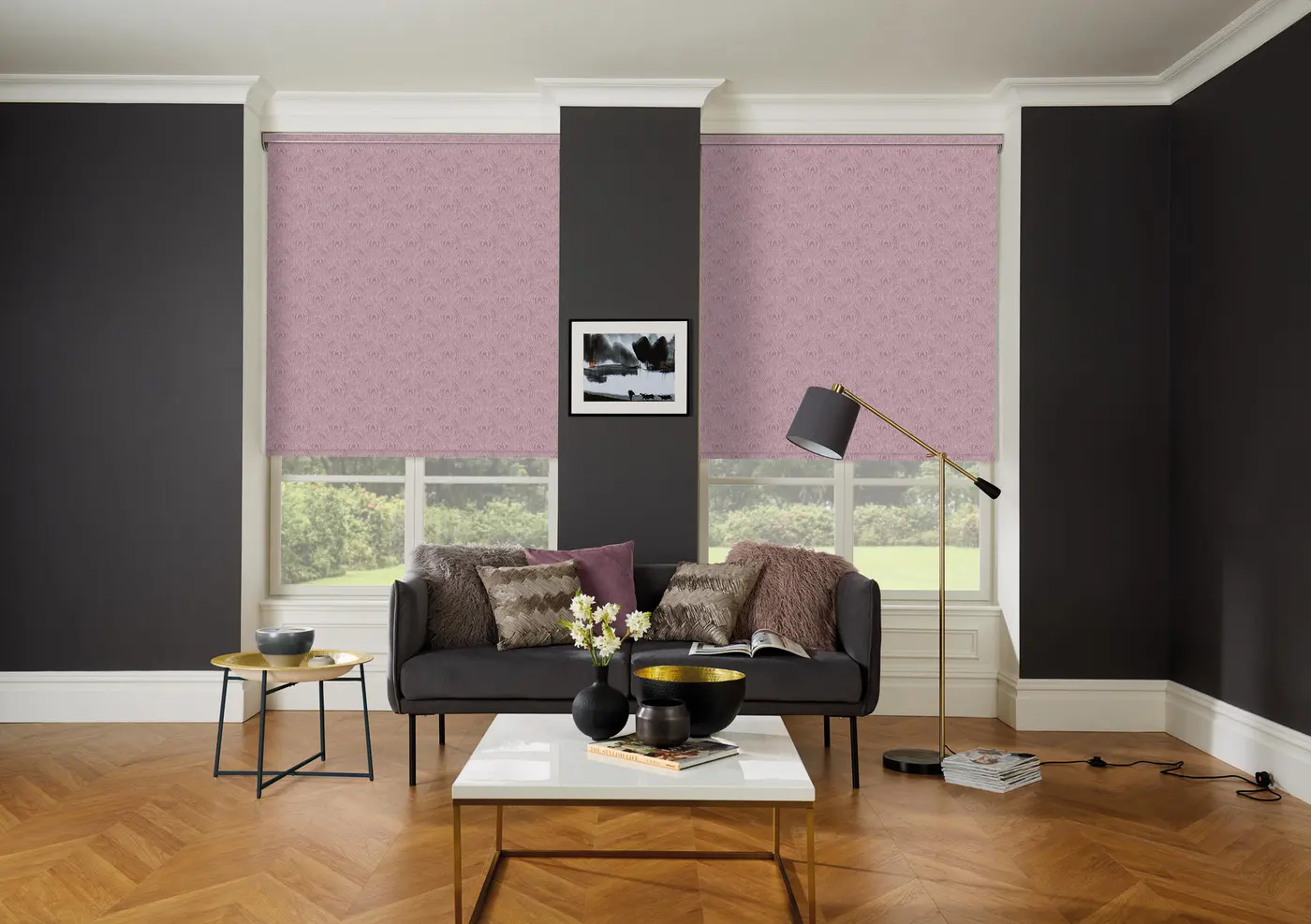
If early sunrises, street lights or shift work make it hard to sleep, blackout blinds are one of the simplest fixes. Not all blackout blinds perform the same way, though, so it helps to know what to look for.
What blackout really means
A blackout fabric is made to block light passing through it. That is only half the story. Light also creeps in around the edges of a blind, and in a dark bedroom even a thin line of brightness can be noticeable. A good blackout result comes from the fabric and from the way the blind is fitted.
Which style works best?
Roller blinds
A blackout roller blind is simple, neat and widely available in plain and patterned fabrics. Fitting the blind outside the window recess, so it overlaps the opening, cuts down on light leaking around the sides.
Cellular blinds
Blackout cellular blinds block light and add insulation, which makes them a good bedroom choice through the winter.
Shutters
Shutters give you excellent control and privacy, but closed louvres leave small gaps between slats, so on their own they are not completely dark. Some people pair shutters with a blackout blind for the darkest result.
Small details that help
Make sure the blind is wider and taller than the window opening where you can, and ask about side channels or overlap if a room needs to be really dark. Choose a cordless or motorised blind for a child’s room.
Who benefits most?
Light sleepers, people who work nights, and parents of young children who nap during the day tend to notice the biggest difference. Blackout blinds are also useful in home cinemas and on screens that suffer from glare.
If you would like advice for your own windows, we offer a free, no-obligation survey and quote across Derby, Nottingham and Burton-upon-Trent. Call 01332 280585, message us on WhatsApp or use the chat on this page.